


Aliya Rahman, Autism, and ICE Abuse
By Ananda

My older brother was diagnosed with autism when he was five years old. I had a limited understanding of what that meant at the time, but I knew it put him in danger. My mom would talk to us about how to speak to police and what to do if she wasn’t there to protect us. I think back on that and how terrifying it must have been for her to have to imagine her children being violently misunderstood. I thought if we looked out for each other, made the right decisions, said the right thing, then we would be safe. Every time we moved to a new city, Mom would take my brother to the police station and introduce him, give them his picture, and say, “This is my son, he is _ years old, he is autistic, he is non-verbal. Do not shoot him.”
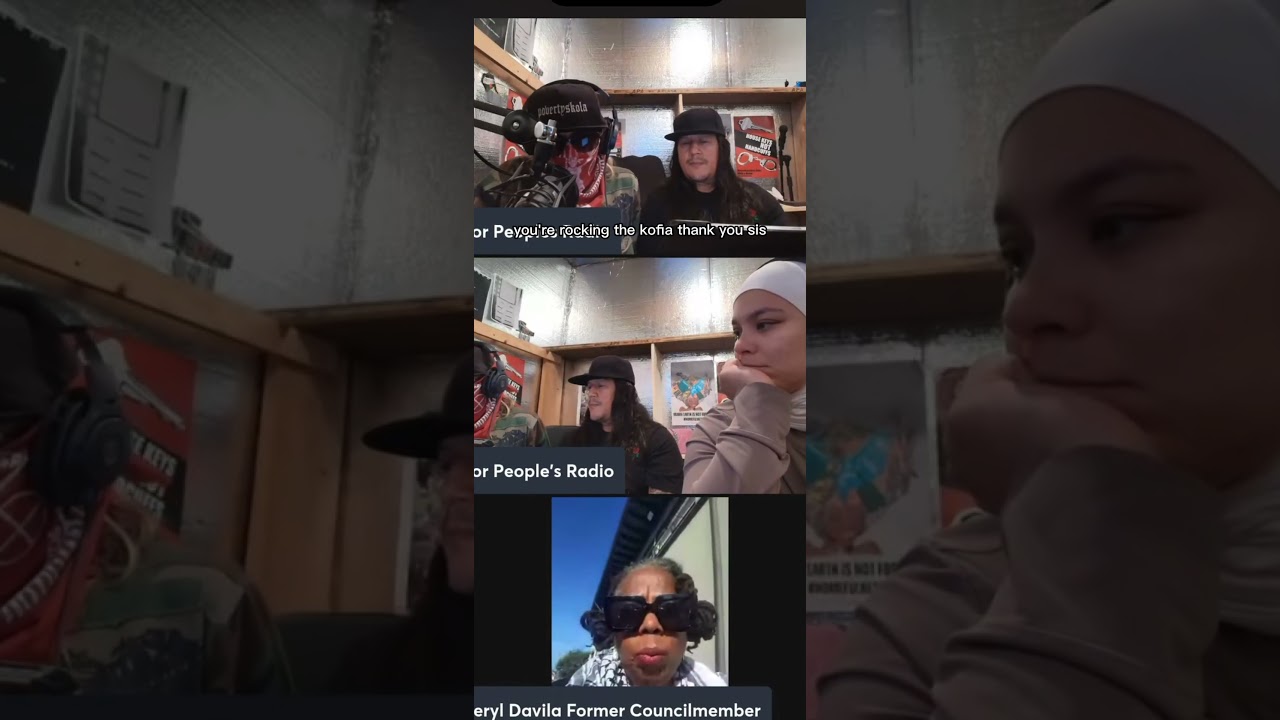
Aliya Rahman decided to drive to her doctor’s appointment in Minneapolis the morning of January 13th, and was stopped and violently abducted by ICE agents. They broke her window, cut her out of her seatbelt, threw her to the ground, and stepped on her. She screamed for help, telling them she was autistic, had a brain injury, and needed assistance to walk, but she was laughed at and ignored. They took her to the Whipple detention center where she saw, “lines of Black and Brown people chained together.”
I found out I was autistic at 25 years old and have learned a lot about my brother's and my disability through that process. The misconceptions that I had about my disability are held societally. Through educating myself, I have become more hopeful and accepting of myself – but much more fearful; fear that was echoed by Rahman as she told her story in a congressional hearing last week. “I felt immersed in a pattern,” she said, expressing that she thought about Jenoah Donald, an autistic black man murdered by police in 2021, and Silverio Villegas Gonzalez, murdered by ICE last year, as she was being detained and beaten. This was an extremely difficult story to read about. I'm struggling to process my emotions even as I write about it. Aliya Rahman’s story is the realization of my personal nightmare.
At the Whipple detention center, Rahman was subjected to horrifying abuse. She was denied medical care for her injuries, which were so severe she eventually fell unconscious and had to be taken to a hospital. She was forced to walk without aid and was taunted by ICE officers for requiring a wheelchair. She witnessed the ICE officers referring to her and the other detainees as ‘bodies’. She was dehumanized and made to fear for her life and still suffers injuries from that day.
Mom didn’t prepare me for something like this. If she had said the right thing, would they have treated her like a human being? If we look out for each other, will that spare us from border terror? Rahman was brave enough to speak up for those still in ICE custody at Whipple. In her opening statement to Congress, she said, “I am here today with a duty to the people who have not had the privilege of coming home, and I offer this data because these practices must end now.” Disabled or otherwise, documented or not, these labels are excuses to take away our humanity and force us to live in fear. Rahman chose to speak up for herself and for all of us who have experienced this fear.




This was a powerful and thought-provoking read. The way the story sheds light on personal experiences while connecting them to broader systemic issues really leaves a lasting impression. It’s not easy to present such sensitive topics with clarity and empathy, but this post does it well. I recently came across a similar discussion on a review blog https://www.attn2detail.info/, which added another layer of perspective. Content like this is important for raising awareness and encouraging meaningful conversations.
I came across BG678 somewhere online and just opened it to see what it actually is. At first it looked a bit confusing because there are many things on the screen, but after using it for some time it started making sense. I have only tried it a few times till now, so still figuring things out. For now it seems okay, just going slow and understanding step by step.
One of the most important ways to go forward in snow rider is through the gift collection system. Players can pick up present boxes that are along the snowy course while avoiding hazards. You can use these gifts as in-game money to buy new sled models.
Fantastic work!